The Foundation of Wellbeing: Nutrition
At Holistic Wellness Hub, we believe that nutrition is the cornerstone of a healthy and balanced lifestyle. Fueling your body with the right nutrients is essential for optimal physical and mental performance. This page provides a comprehensive guide to understanding and implementing healthy eating habits.

Understanding a Balanced Diet
A balanced diet encompasses all the essential food groups in appropriate proportions. This includes carbohydrates, proteins, fats, vitamins, and minerals. Each plays a vital role in maintaining bodily functions, supporting growth and repair, and preventing chronic diseases. Let's delve into each category:
- Carbohydrates: The primary source of energy for the body. Opt for complex carbohydrates like whole grains, fruits, and vegetables over simple sugars found in processed foods.
- Proteins: Essential for building and repairing tissues, proteins are the building blocks of the body. Good sources include lean meats, poultry, fish, beans, lentils, and tofu.
- Fats: Healthy fats are crucial for brain function, hormone production, and absorbing fat-soluble vitamins. Choose unsaturated fats found in avocados, nuts, seeds, olive oil, and fatty fish.
- Vitamins and Minerals: These micronutrients are vital for a wide range of bodily processes. A varied diet rich in fruits, vegetables, and whole foods will provide an array of essential vitamins and minerals.
- Fiber: Dietary fiber promotes digestive health, helps regulate blood sugar levels, and contributes to feelings of fullness. Good sources include fruits, vegetables, whole grains, and legumes.
Remember, individual nutritional needs vary based on factors like age, sex, activity level, and health status. Consulting with a registered dietitian or healthcare professional can provide personalized guidance.

Delicious and Healthy Recipes
Eating healthy doesn't have to be boring or restrictive! Here are a couple of easy and delicious recipes to get you started:
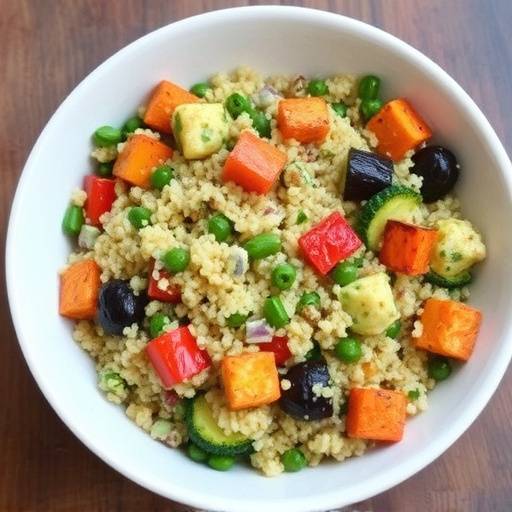
Quinoa Salad with Roasted Vegetables
Ingredients: Quinoa, broccoli florets, bell peppers (various colors), red onion, olive oil, lemon juice, herbs (parsley, thyme), salt, pepper.
Instructions: Roast vegetables with olive oil, salt, and pepper. Cook quinoa according to package instructions. Combine roasted vegetables and quinoa. Dress with lemon juice and fresh herbs.
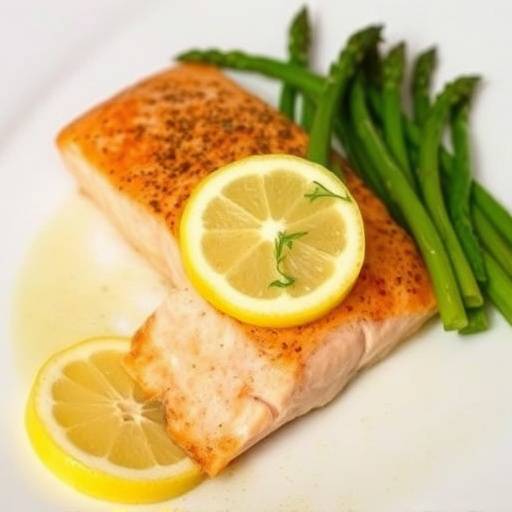
Baked Salmon with Asparagus
Ingredients: Salmon fillets, asparagus spears, lemon slices, olive oil, garlic powder, salt, pepper.
Instructions: Place salmon fillets on a baking sheet lined with parchment paper. Arrange asparagus around the salmon. Drizzle with olive oil, sprinkle with garlic powder, salt, and pepper. Top with lemon slices. Bake until salmon is cooked through and asparagus is tender.
For more delicious and nutritious recipes, subscribe to our newsletter and follow us on social media! We regularly share new ideas and tips to make healthy eating enjoyable and sustainable.
The Benefits of Different Food Groups
Each food group offers unique health benefits. Understanding these benefits can help you make informed choices about what you eat:
| Food Group | Key Nutrients | Health Benefits |
|---|---|---|
| Fruits | Vitamins (A, C), fiber, antioxidants | Boosts immunity, protects against chronic diseases, aids digestion. |
| Vegetables | Vitamins (K, folate), minerals (potassium), fiber | Supports healthy vision, bone health, and regulates blood pressure. |
| Whole Grains | Fiber, B vitamins, minerals (magnesium) | Provides sustained energy, promotes heart health, and aids digestion. |
| Lean Proteins | Protein, iron, zinc | Builds and repairs tissues, supports immune function, and promotes satiety. |
| Dairy/Alternatives | Calcium, vitamin D, protein | Supports bone health, muscle function, and nerve transmission. (Choose fortified plant-based alternatives for calcium and vitamin D) |
Incorporating a variety of foods from each group ensures that you receive a broad spectrum of essential nutrients. Always prioritize whole, unprocessed foods over highly processed options.
Expert Nutritional Advice from Dr. Anya Sharma
"As a registered dietitian and wellness expert at Holistic Wellness Hub, I firmly believe that optimal health begins with mindful eating. It's not just about what you eat, but also how you eat. Savor your meals, pay attention to your body's hunger and fullness cues, and choose foods that nourish both your body and mind. Small, sustainable changes can make a big difference in your overall well-being. Don't be afraid to experiment with new recipes and explore different cuisines. The journey to a healthier you can be both delicious and rewarding!"

Further Resources
Explore our other pages for more information on related topics:
- Exercise : Learn how physical activity complements a healthy diet.
- Sleep : Discover the importance of sleep for overall health and wellbeing.
- Hydration : Understand the role of water in maintaining bodily functions.
- Mental Health : Explore the connection between nutrition and mental wellbeing.
For personalized nutritional guidance, consider scheduling a consultation with one of our registered dietitians. Contact us at [email protected] or call us at (555) 123-4567 to learn more.