The Importance of Hydration
Water is essential for life. It makes up about 55% to 78% of our bodies and is involved in numerous bodily functions, including regulating body temperature, transporting nutrients, and removing waste products. Staying properly hydrated is crucial for maintaining optimal physical and mental health.
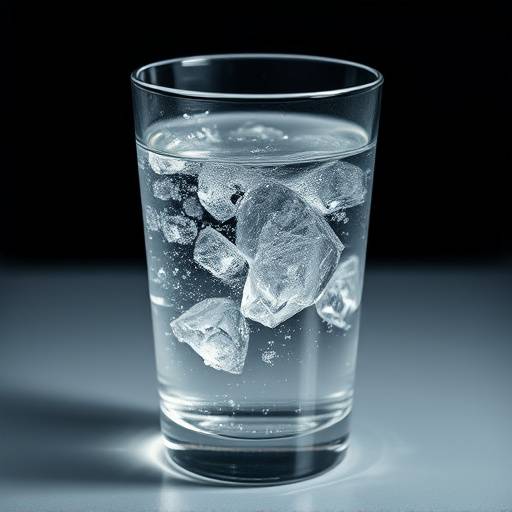
At Holistic Wellness Hub, we understand that the hustle and bustle of city life in Miami can sometimes make it challenging to prioritize hydration. However, neglecting your fluid intake can lead to a range of problems, from fatigue and headaches to more serious health complications.
Benefits of Drinking Water
- Improved Physical Performance: Water helps transport oxygen to muscles, improving strength and endurance during exercise.
- Enhanced Cognitive Function: Even mild dehydration can impair concentration, memory, and mood.
- Better Digestion: Water helps break down food and prevents constipation.
- Healthy Skin: Proper hydration keeps skin cells plump and reduces the appearance of wrinkles.
- Kidney Function: Water helps flush out toxins and prevents kidney stones.
- Weight Management: Drinking water before meals can help you feel fuller and eat less.
How Much Water Should You Drink?
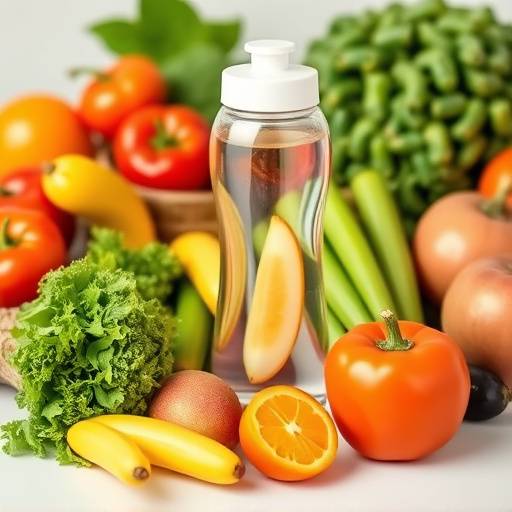
The general recommendation is to drink at least eight 8-ounce glasses of water per day (about 2 liters), but individual needs vary. Factors such as activity level, climate, and overall health can influence your hydration requirements.
Consider these factors when determining your daily water intake:
- Activity Level: If you exercise or engage in strenuous activities, you'll need to drink more water to replace fluids lost through sweat.
- Climate: Hot and humid weather can increase your fluid needs due to increased perspiration. Miami residents should pay close attention to this.
- Health Conditions: Certain medical conditions, such as diabetes or kidney disease, may affect your fluid requirements. Consult with your doctor for personalized recommendations.
- Pregnancy and Breastfeeding: Pregnant and breastfeeding women need more fluids to support both their own health and the health of their baby.
A simple way to assess your hydration status is to check the color of your urine. Pale yellow or clear urine indicates good hydration, while dark yellow urine suggests dehydration.
Tips for Staying Hydrated
- Carry a Water Bottle: Keep a reusable water bottle with you throughout the day and refill it regularly.
- Set Reminders: Use your phone or an app to set reminders to drink water at regular intervals.
- Drink Water Before Meals: Make it a habit to drink a glass of water before each meal.
- Choose Water-Rich Foods: Incorporate fruits and vegetables with high water content into your diet, such as watermelon, cucumber, and spinach.
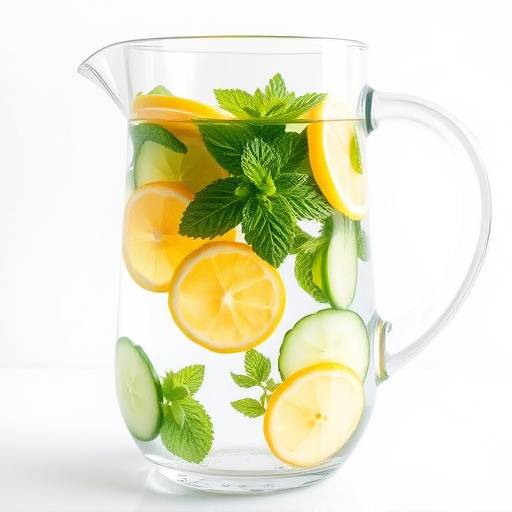
- Infuse Your Water: Add slices of fruit, vegetables, or herbs to your water to enhance the flavor and make it more appealing. Try cucumber and mint, lemon and ginger, or berries.
- Limit Sugary Drinks: Reduce your intake of sugary sodas, juices, and sports drinks, which can contribute to dehydration and other health problems.
- Drink After Exercise: Replenish fluids lost during exercise by drinking water or a sports drink with electrolytes.
- Listen to Your Body: Pay attention to your thirst cues and drink water when you feel thirsty. Don't wait until you're severely dehydrated.
Hydrating Beverages Beyond Water
While water is the best choice for hydration, other beverages can also contribute to your daily fluid intake. However, be mindful of added sugars and other potentially harmful ingredients.
- Herbal Teas: Unsweetened herbal teas, such as chamomile, peppermint, and ginger tea, are a great way to stay hydrated and enjoy additional health benefits.
- Coconut Water: Coconut water is a natural source of electrolytes, making it a good choice for rehydration after exercise.
- Sparkling Water: If you find plain water boring, try sparkling water with a squeeze of lemon or lime.
- Broth: Clear broth can help replenish fluids and electrolytes, especially when you're feeling under the weather.
Dehydration: Signs and Symptoms
Recognizing the signs and symptoms of dehydration is crucial for taking prompt action and preventing serious complications.
- Thirst: This is the most obvious sign of dehydration.
- Dry Mouth: A dry or sticky mouth indicates that your body needs fluids.
- Headache: Dehydration can trigger headaches and migraines.
- Dizziness: Feeling lightheaded or dizzy can be a sign of low blood volume due to dehydration.
- Fatigue: Dehydration can lead to fatigue and reduced energy levels.
- Dark Urine: Dark yellow or amber-colored urine indicates that you're not getting enough fluids.
- Muscle Cramps: Dehydration can contribute to muscle cramps, especially during exercise.
- Constipation: Insufficient fluid intake can lead to constipation.
If you experience any of these symptoms, drink water or a hydrating beverage immediately and seek medical attention if your symptoms are severe or persistent.
Hydration and Holistic Wellness
Staying hydrated is an integral part of a holistic approach to wellness. When you prioritize hydration, you're supporting your body's natural functions and promoting overall health and vitality. The Holistic Wellness Hub in Sunny Isles Beach encourages Miami residents to embrace a lifestyle that includes proper hydration, nourishing nutrition, regular exercise, restful sleep, and effective stress management techniques. Together, these elements contribute to a balanced and fulfilling life.
"Water is the driving force of all nature." - Leonardo da Vinci
Hydration Chart
| Activity Level | Climate | Recommended Water Intake (liters) |
|---|---|---|
| Sedentary | Moderate | 2.0 - 2.5 |
| Lightly Active | Moderate | 2.5 - 3.0 |
| Moderately Active | Hot | 3.0 - 3.5 |
| Very Active | Hot & Humid | 3.5 - 4.5+ |
| Pregnant/Breastfeeding | Any | 3.0 - 3.5 |